Buy corporate-learning.eu ?
We are moving the project
corporate-learning.eu .
Are you interested in purchasing the domain
corporate-learning.eu ?
domain@kv-gmbh.de · 0541-91531010
Buy corporate-learning.eu ?
What is social skills training?
Social skills training is a type of therapy that helps individuals improve their ability to interact and communicate with others effectively. It involves teaching specific skills such as active listening, assertiveness, conflict resolution, and nonverbal communication. The goal of social skills training is to help individuals develop the necessary skills to navigate social situations, build and maintain relationships, and improve their overall social functioning. This type of training is often used to help individuals with social anxiety, autism spectrum disorders, and other conditions that impact social interactions. **
What are social skills?
Social skills are the abilities and competencies that allow individuals to effectively interact and communicate with others. These skills include things like active listening, empathy, cooperation, and conflict resolution. Social skills are essential for building and maintaining relationships, navigating social situations, and working effectively in group settings. They are important for both personal and professional success, as they contribute to positive interactions and productive collaborations with others. **

Similar search terms for Social
Top-Angebote
Products related to Social:
-
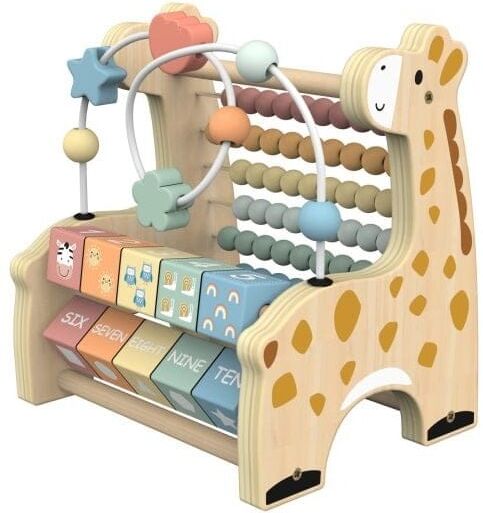
Tooky Toys Wooden Learning Giraffe - Early Education Toy for Babies - Develops Problem-Solving Skills and Hand-Eye CoordinationThe Learning Giraffe is a delightful way for little ones to discover numbers, counting, and colors. Made from smooth, durable wood, this giraffe-shaped learning board combines early education with playful charm. Kids can engage in hands-on activities, such as sliding and stacking numbers, to make math feel approachable and fun. The sturdy, natural materials help develop problem-solving skills and hand-eye coordination. The Learning Giraffe is a gentle guide into the world of numbers, perfect for practicing simple sums and exploring colorful blocks.17,39 £*Shipping: 3,95 £Secure redirect to the provider
-
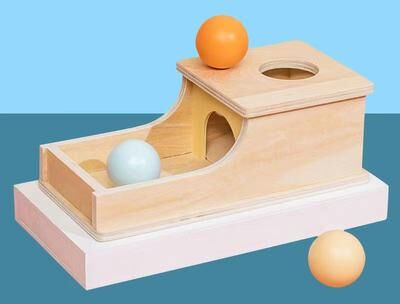
Tiny Tots Teens Trends Drawer Game Early Education Montessori Wooden Pitch Ball Box Preschool Learning Training Toy Drawer Game Early Education Montessori Wooden Pitch Ball Box Preschool Learning Training ToyThis Montessori Wooden Pitch Ball Box Drawer Game is a thoughtfully designed earlyeducation toy that transforms playtime into purposeful learning. Crafted for toddlers and preschoolers, it offers a handson, engaging way to support key developmental...39,97 $*Shipping: 0,00 $Secure redirect to the provider
-
Perfect Picks Market Geometric Building Blocks Set For Kids Early Education Intelligence Development Toy Geometric Building Blocks Set For Kids Early Education Intelligence Development ToyUnlock your child's potential with this early education equipment designed to stimulate creativity and intelligence! This geometric set is the perfect building block toy for boys, helping to develop problemsolving skills while having fun. The...35,97 $*Shipping: 0,00 $Secure redirect to the provider
-
Wren & Rook What Do You Think? How to Agree to Disagree and Still Be Friends by Matthew Syed - Paperback - Ages 9-12 - Growth Mindset & Social Skills BookWhat Do You Think?: How to Agree to Disagree and Still Be Friends is a children's book written by bestselling author and two-time Olympian Matthew Syed, along with Kathy Weeks. The book is illustrated by Ashwin Chacko and is a brand new paperback. It helps young readers navigate disagreements with confidence and kindness, showing that holding a different opinion doesn't have to end a friendship. The book is suitable for children aged 9-12 years and is a warm, practical guide for classrooms, homes, and family bookshelves. It follows the success of Matthew Syed's previous book, You Are Awesome, and turns his attention to one of the trickiest parts of growing up: disagreeing with people we care about. Using relatable, real-life scenarios between friends, siblings, and classmates, the book shows children how to voice their own point of view without falling out, how to ask good questions, and how to admit when they've changed their mind.4,99 £*Shipping: 2,99 £Secure redirect to the provider


-
How can I improve my social and professional skills in kindergarten?
In kindergarten, you can improve your social and professional skills by participating in group activities and interacting with your peers. Practice taking turns, sharing, and listening to others during group play and learning activities. Additionally, you can develop your communication skills by expressing your thoughts and feelings to teachers and classmates. Finally, you can work on following instructions and completing tasks independently to build your professional skills. **
-
Why are social skills not assessed for social professions?
Social skills are often not formally assessed for social professions because they are considered to be inherent to the job. Professionals in social fields are expected to possess strong interpersonal skills, empathy, and the ability to communicate effectively with a diverse range of individuals. These skills are typically demonstrated through interviews, references, and previous experience working in similar roles. Additionally, assessing social skills through traditional methods may not accurately capture an individual's ability to connect with and support others in a real-world setting. **
-
Can social skills be learned?
Yes, social skills can be learned through practice, observation, and feedback. By engaging in social interactions, individuals can develop their ability to communicate effectively, show empathy, and build relationships. Social skills training programs and therapy can also help individuals improve their social skills by providing them with strategies and techniques to navigate social situations. With dedication and effort, anyone can enhance their social skills and become more adept at interacting with others. **
-
Why are social skills not being assessed for social professions?
Social skills are often not formally assessed for social professions because they are considered to be more subjective and difficult to measure compared to technical skills. Additionally, there may be a lack of standardized tools and methods for evaluating social skills, making it challenging to incorporate them into the assessment process. Furthermore, there may be a focus on academic and technical qualifications in the hiring process, with less emphasis on interpersonal abilities. However, as the importance of soft skills in the workplace becomes more recognized, there is a growing need to find ways to effectively assess and evaluate social skills for social professions. **


How does one learn social skills?
One can learn social skills through practice, observation, and feedback. Engaging in social interactions allows individuals to develop their communication, empathy, and conflict resolution skills. Observing others who excel in social situations can provide valuable insights into effective social behaviors. Receiving feedback from peers or mentors can help individuals understand their strengths and areas for improvement in social interactions. Overall, learning social skills is a continuous process that involves active participation and reflection. **
Which profession requires strong social skills?
Professions in fields such as sales, marketing, public relations, and customer service require strong social skills. These professions involve interacting with clients, customers, and colleagues on a regular basis, making effective communication and relationship-building essential. Strong social skills help professionals in these fields to understand and connect with others, negotiate effectively, and handle challenging situations with empathy and tact. **
Top-Angebote
Products related to Social:
-
Learning Resources All About Me Family Counters Set of 72 - 72 Colorful Counters for Early Math Skills and Social Skills DevelopmentIntroducing the Learning Resources All About Me Family Counters Set of 72, a fun and educational tool designed to spark imagination and creativity in young learners. This vibrant set features a delightful array of family members, including parents, grandparents, and children, ideal for counting, sorting, and imaginative play. The set includes 72 colorful counters that are perfectly sized for little hands, making learning engaging and fun. The counters promote early math skills by encouraging counting, patterning, and sorting through playful activities. They also help develop social skills by fostering conversations about family dynamics and relationships. The All About Me Family Counters are suitable for a variety of settings, including home play, classroom activities, and birthday gifts. They are a great addition to any toy collection.18,69 £*Shipping: 3,95 £Secure redirect to the provider
-
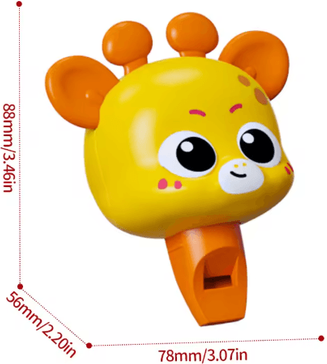
Inspire Picks Interactive Giraffe Suction Cup Toy Multifunctional Sensory Learning And Motor Skills Development Toy whistleEncourage handson learning and playful discovery with this interactive giraffe toy designed for growing minds. Featuring a strong suction cup base, it easily attaches to smooth surfaces for stable, engaging play at home or on the go. Made from safe,...34,93 $*Shipping: 0,00 $Secure redirect to the provider
-
Tooky Toys Wooden Learning Giraffe - Early Education Toy for Babies - Develops Problem-Solving Skills and Hand-Eye CoordinationThe Learning Giraffe is a delightful way for little ones to discover numbers, counting, and colors. Made from smooth, durable wood, this giraffe-shaped learning board combines early education with playful charm. Kids can engage in hands-on activities, such as sliding and stacking numbers, to make math feel approachable and fun. The sturdy, natural materials help develop problem-solving skills and hand-eye coordination. The Learning Giraffe is a gentle guide into the world of numbers, perfect for practicing simple sums and exploring colorful blocks.17,39 £*Shipping: 3,95 £Secure redirect to the provider
-
Tiny Tots Teens Trends Drawer Game Early Education Montessori Wooden Pitch Ball Box Preschool Learning Training Toy Drawer Game Early Education Montessori Wooden Pitch Ball Box Preschool Learning Training ToyThis Montessori Wooden Pitch Ball Box Drawer Game is a thoughtfully designed earlyeducation toy that transforms playtime into purposeful learning. Crafted for toddlers and preschoolers, it offers a handson, engaging way to support key developmental...39,97 $*Shipping: 0,00 $Secure redirect to the provider
-
What is social skills training?
Social skills training is a type of therapy that helps individuals improve their ability to interact and communicate with others effectively. It involves teaching specific skills such as active listening, assertiveness, conflict resolution, and nonverbal communication. The goal of social skills training is to help individuals develop the necessary skills to navigate social situations, build and maintain relationships, and improve their overall social functioning. This type of training is often used to help individuals with social anxiety, autism spectrum disorders, and other conditions that impact social interactions. **
-
What are social skills?
Social skills are the abilities and competencies that allow individuals to effectively interact and communicate with others. These skills include things like active listening, empathy, cooperation, and conflict resolution. Social skills are essential for building and maintaining relationships, navigating social situations, and working effectively in group settings. They are important for both personal and professional success, as they contribute to positive interactions and productive collaborations with others. **
-
How can I improve my social and professional skills in kindergarten?
In kindergarten, you can improve your social and professional skills by participating in group activities and interacting with your peers. Practice taking turns, sharing, and listening to others during group play and learning activities. Additionally, you can develop your communication skills by expressing your thoughts and feelings to teachers and classmates. Finally, you can work on following instructions and completing tasks independently to build your professional skills. **
-
Why are social skills not assessed for social professions?
Social skills are often not formally assessed for social professions because they are considered to be inherent to the job. Professionals in social fields are expected to possess strong interpersonal skills, empathy, and the ability to communicate effectively with a diverse range of individuals. These skills are typically demonstrated through interviews, references, and previous experience working in similar roles. Additionally, assessing social skills through traditional methods may not accurately capture an individual's ability to connect with and support others in a real-world setting. **
Similar search terms for Social
-
Perfect Picks Market Geometric Building Blocks Set For Kids Early Education Intelligence Development Toy Geometric Building Blocks Set For Kids Early Education Intelligence Development ToyUnlock your child's potential with this early education equipment designed to stimulate creativity and intelligence! This geometric set is the perfect building block toy for boys, helping to develop problemsolving skills while having fun. The...35,97 $*Shipping: 0,00 $Secure redirect to the provider
-
Wren & Rook What Do You Think? How to Agree to Disagree and Still Be Friends by Matthew Syed - Paperback - Ages 9-12 - Growth Mindset & Social Skills BookWhat Do You Think?: How to Agree to Disagree and Still Be Friends is a children's book written by bestselling author and two-time Olympian Matthew Syed, along with Kathy Weeks. The book is illustrated by Ashwin Chacko and is a brand new paperback. It helps young readers navigate disagreements with confidence and kindness, showing that holding a different opinion doesn't have to end a friendship. The book is suitable for children aged 9-12 years and is a warm, practical guide for classrooms, homes, and family bookshelves. It follows the success of Matthew Syed's previous book, You Are Awesome, and turns his attention to one of the trickiest parts of growing up: disagreeing with people we care about. Using relatable, real-life scenarios between friends, siblings, and classmates, the book shows children how to voice their own point of view without falling out, how to ask good questions, and how to admit when they've changed their mind.4,99 £*Shipping: 2,99 £Secure redirect to the provider
-
Inspired Finds Growth Mindset Poster Therapy Office Wall Art Social Worker Decor Print growth Mindset Affirmations 11.81x16.54 InCreate a space that inspires growth, reflection, and positivity with this meaningful growth mindset poster designed for professionals who care deeply about impact. Whether you're a counselor, therapist, or educator, this piece adds purpose to your...46,99 $*Shipping: 0,00 $Secure redirect to the provider
-
Inspire Picks Interactive Giraffe Suction Cup Toy Multifunctional Sensory Learning And Motor Skills Development Toy multi FuntionalEncourage handson learning and playful discovery with this interactive giraffe toy designed for growing minds. Featuring a strong suction cup base, it easily attaches to smooth surfaces for stable, engaging play at home or on the go. Made from safe,...34,93 $*Shipping: 0,00 $Secure redirect to the provider
-
Can social skills be learned?
Yes, social skills can be learned through practice, observation, and feedback. By engaging in social interactions, individuals can develop their ability to communicate effectively, show empathy, and build relationships. Social skills training programs and therapy can also help individuals improve their social skills by providing them with strategies and techniques to navigate social situations. With dedication and effort, anyone can enhance their social skills and become more adept at interacting with others. **
-
Why are social skills not being assessed for social professions?
Social skills are often not formally assessed for social professions because they are considered to be more subjective and difficult to measure compared to technical skills. Additionally, there may be a lack of standardized tools and methods for evaluating social skills, making it challenging to incorporate them into the assessment process. Furthermore, there may be a focus on academic and technical qualifications in the hiring process, with less emphasis on interpersonal abilities. However, as the importance of soft skills in the workplace becomes more recognized, there is a growing need to find ways to effectively assess and evaluate social skills for social professions. **
-
How does one learn social skills?
One can learn social skills through practice, observation, and feedback. Engaging in social interactions allows individuals to develop their communication, empathy, and conflict resolution skills. Observing others who excel in social situations can provide valuable insights into effective social behaviors. Receiving feedback from peers or mentors can help individuals understand their strengths and areas for improvement in social interactions. Overall, learning social skills is a continuous process that involves active participation and reflection. **
-
Which profession requires strong social skills?
Professions in fields such as sales, marketing, public relations, and customer service require strong social skills. These professions involve interacting with clients, customers, and colleagues on a regular basis, making effective communication and relationship-building essential. Strong social skills help professionals in these fields to understand and connect with others, negotiate effectively, and handle challenging situations with empathy and tact. **
* All prices are inclusive of VAT and, if applicable, plus shipping costs. The offer information is based on the details provided by the respective shop and is updated through automated processes. Real-time updates do not occur, so deviations can occur in individual cases. ** Note: Parts of this content were created by AI.