Buy corporate-learning.eu ?
We are moving the project
corporate-learning.eu .
Are you interested in purchasing the domain
corporate-learning.eu ?
domain@kv-gmbh.de · 0541-91531010
Buy corporate-learning.eu ?
Examples of everyday theories of education are sought.
Everyday theories of education can be found in various aspects of our lives, such as parents teaching their children manners and values at home, teachers using different teaching methods in the classroom, or even friends sharing knowledge and skills with each other. These theories are often based on personal experiences, observations, and beliefs about how people learn best. By recognizing and understanding these everyday theories of education, we can gain insights into the different ways in which knowledge is transmitted and acquired in our society. **
Why is knowledge about human proportions important in everyday life?
Knowledge about human proportions is important in everyday life because it helps in various aspects such as fashion design, furniture design, and ergonomics. Understanding human proportions allows designers to create products that are comfortable and functional for people of different sizes and shapes. It also plays a role in fields like architecture and interior design, where knowing the ideal proportions of spaces and objects can enhance the overall aesthetic and functionality of a space. Additionally, having an understanding of human proportions can help individuals make informed decisions about their health and fitness goals, as it provides a basis for understanding body measurements and proportions. **

Similar search terms for Everyday
Top-Angebote
Products related to Everyday:
-
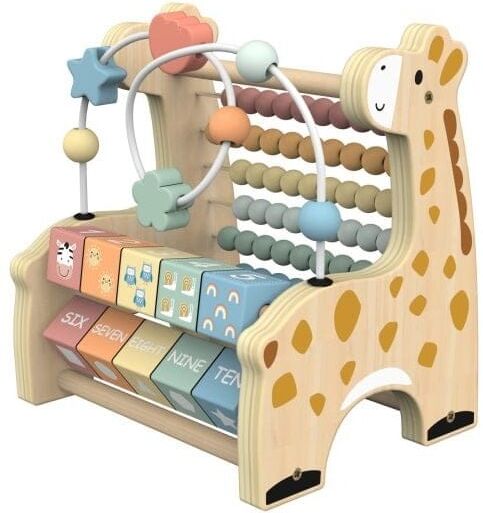
Tooky Toys Wooden Learning Giraffe - Early Education Toy for Babies - Develops Problem-Solving Skills and Hand-Eye CoordinationThe Learning Giraffe is a delightful way for little ones to discover numbers, counting, and colors. Made from smooth, durable wood, this giraffe-shaped learning board combines early education with playful charm. Kids can engage in hands-on activities, such as sliding and stacking numbers, to make math feel approachable and fun. The sturdy, natural materials help develop problem-solving skills and hand-eye coordination. The Learning Giraffe is a gentle guide into the world of numbers, perfect for practicing simple sums and exploring colorful blocks.17,39 £*Shipping: 3,95 £Secure redirect to the provider
-
Tiny Tots Teens Trends Drawer Game Early Education Montessori Wooden Pitch Ball Box Preschool Learning Training Toy Drawer Game Early Education Montessori Wooden Pitch Ball Box Preschool Learning Training ToyThis Montessori Wooden Pitch Ball Box Drawer Game is a thoughtfully designed earlyeducation toy that transforms playtime into purposeful learning. Crafted for toddlers and preschoolers, it offers a handson, engaging way to support key developmental...39,97 $*Shipping: 0,00 $Secure redirect to the provider
-
Perfect Picks Market Geometric Building Blocks Set For Kids Early Education Intelligence Development Toy Geometric Building Blocks Set For Kids Early Education Intelligence Development ToyUnlock your child's potential with this early education equipment designed to stimulate creativity and intelligence! This geometric set is the perfect building block toy for boys, helping to develop problemsolving skills while having fun. The...35,97 $*Shipping: 0,00 $Secure redirect to the provider
-
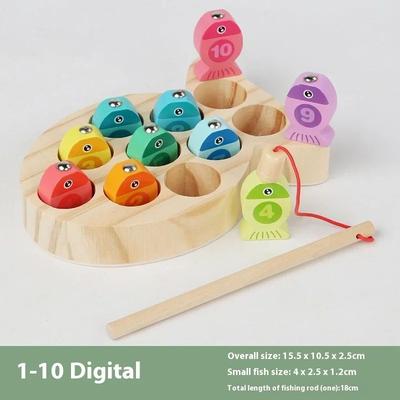
Inspire Select Wooden Montessori Fishing Toy Set Kids Number & Alphabet Learning Game For Early Education Training numbersMake learning fun and interactive with a playful educational experience. This Montessori fishing toy helps children develop essential skills while enjoying handson play. Designed for toddlers and young kids, this wooden learning toy combines...64,96 $*Shipping: 0,00 $Secure redirect to the provider


-
What is the difference between learning in everyday life and learning in school?
Learning in everyday life is often informal and spontaneous, occurring through experiences, interactions, and observations in various settings. It is practical and focused on real-world applications. In contrast, learning in school is formal and structured, following a curriculum and specific objectives. It is typically more theoretical and classroom-based, with a focus on academic subjects and assessments. **
-
Should the subject of everyday life skills be introduced in schools?
Yes, the subject of everyday life skills should be introduced in schools. Many students graduate without basic skills such as budgeting, cooking, and time management, which are essential for independent living. By teaching these skills in schools, students will be better prepared for adulthood and have the knowledge to navigate everyday challenges. Additionally, introducing everyday life skills in schools can help bridge the gap between academic knowledge and practical application, leading to more well-rounded and capable individuals. **
-
Can you get a job without education or go directly into training with skills or knowledge?
Yes, it is possible to get a job without formal education by directly entering the workforce with skills or knowledge gained through training, work experience, or self-study. Many industries value practical skills and experience over formal education, especially in fields like technology, trades, and creative arts. However, having a formal education can still be beneficial for career advancement and certain professions that require specific qualifications. Ultimately, the path to employment can vary depending on the industry and individual circumstances. **
-
Should the subject of everyday life skills be introduced in German schools?
Yes, the subject of everyday life skills should be introduced in German schools. Teaching students practical skills such as budgeting, cooking, time management, and basic first aid can better prepare them for independent living and contribute to their overall well-being. These skills are essential for navigating everyday life and can help students become more self-sufficient and responsible adults. Introducing this subject in schools can also help address the gap in practical knowledge that many young people face when they enter the workforce or higher education. **

What are the rhetorical differences between private and professional everyday life?
In private everyday life, individuals often communicate in a more informal and personal manner, using colloquial language and expressions. Rhetorical strategies in private life may focus on building rapport, expressing emotions, and connecting on a personal level. In professional everyday life, communication tends to be more formal and structured, with a focus on clarity, professionalism, and achieving specific goals. Rhetorical strategies in professional settings often involve presenting information logically, persuasively, and with a clear purpose. Overall, the differences in rhetorical strategies between private and professional everyday life reflect the distinct social contexts and communication norms of each setting. **
Do professional experiences make people more cautious in their everyday life?
Professional experiences can make people more cautious in their everyday life, as they often involve dealing with high-stakes situations and making important decisions. These experiences can teach individuals the importance of being thorough, thoughtful, and deliberate in their actions, which can translate into a more cautious approach in their personal lives. Additionally, professionals may have a heightened awareness of potential risks and consequences, leading them to be more cautious in their everyday decision-making. However, this is not always the case, as some individuals may become more confident and risk-taking in their personal lives as a result of their professional experiences. **
Top-Angebote
Products related to Everyday:
-
Learning Resources All About Me Family Counters Set of 72 - 72 Colorful Counters for Early Math Skills and Social Skills DevelopmentIntroducing the Learning Resources All About Me Family Counters Set of 72, a fun and educational tool designed to spark imagination and creativity in young learners. This vibrant set features a delightful array of family members, including parents, grandparents, and children, ideal for counting, sorting, and imaginative play. The set includes 72 colorful counters that are perfectly sized for little hands, making learning engaging and fun. The counters promote early math skills by encouraging counting, patterning, and sorting through playful activities. They also help develop social skills by fostering conversations about family dynamics and relationships. The All About Me Family Counters are suitable for a variety of settings, including home play, classroom activities, and birthday gifts. They are a great addition to any toy collection.18,69 £*Shipping: 3,95 £Secure redirect to the provider
-
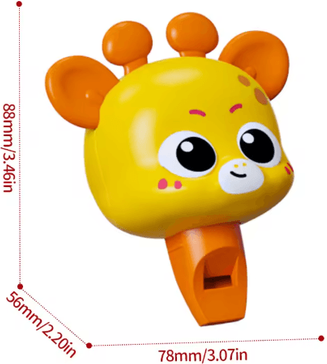
Inspire Picks Interactive Giraffe Suction Cup Toy Multifunctional Sensory Learning And Motor Skills Development Toy whistleEncourage handson learning and playful discovery with this interactive giraffe toy designed for growing minds. Featuring a strong suction cup base, it easily attaches to smooth surfaces for stable, engaging play at home or on the go. Made from safe,...34,93 $*Shipping: 0,00 $Secure redirect to the provider
-
Tooky Toys Wooden Learning Giraffe - Early Education Toy for Babies - Develops Problem-Solving Skills and Hand-Eye CoordinationThe Learning Giraffe is a delightful way for little ones to discover numbers, counting, and colors. Made from smooth, durable wood, this giraffe-shaped learning board combines early education with playful charm. Kids can engage in hands-on activities, such as sliding and stacking numbers, to make math feel approachable and fun. The sturdy, natural materials help develop problem-solving skills and hand-eye coordination. The Learning Giraffe is a gentle guide into the world of numbers, perfect for practicing simple sums and exploring colorful blocks.17,39 £*Shipping: 3,95 £Secure redirect to the provider
-
Tiny Tots Teens Trends Drawer Game Early Education Montessori Wooden Pitch Ball Box Preschool Learning Training Toy Drawer Game Early Education Montessori Wooden Pitch Ball Box Preschool Learning Training ToyThis Montessori Wooden Pitch Ball Box Drawer Game is a thoughtfully designed earlyeducation toy that transforms playtime into purposeful learning. Crafted for toddlers and preschoolers, it offers a handson, engaging way to support key developmental...39,97 $*Shipping: 0,00 $Secure redirect to the provider
-
Examples of everyday theories of education are sought.
Everyday theories of education can be found in various aspects of our lives, such as parents teaching their children manners and values at home, teachers using different teaching methods in the classroom, or even friends sharing knowledge and skills with each other. These theories are often based on personal experiences, observations, and beliefs about how people learn best. By recognizing and understanding these everyday theories of education, we can gain insights into the different ways in which knowledge is transmitted and acquired in our society. **
-
Why is knowledge about human proportions important in everyday life?
Knowledge about human proportions is important in everyday life because it helps in various aspects such as fashion design, furniture design, and ergonomics. Understanding human proportions allows designers to create products that are comfortable and functional for people of different sizes and shapes. It also plays a role in fields like architecture and interior design, where knowing the ideal proportions of spaces and objects can enhance the overall aesthetic and functionality of a space. Additionally, having an understanding of human proportions can help individuals make informed decisions about their health and fitness goals, as it provides a basis for understanding body measurements and proportions. **
-
What is the difference between learning in everyday life and learning in school?
Learning in everyday life is often informal and spontaneous, occurring through experiences, interactions, and observations in various settings. It is practical and focused on real-world applications. In contrast, learning in school is formal and structured, following a curriculum and specific objectives. It is typically more theoretical and classroom-based, with a focus on academic subjects and assessments. **
-
Should the subject of everyday life skills be introduced in schools?
Yes, the subject of everyday life skills should be introduced in schools. Many students graduate without basic skills such as budgeting, cooking, and time management, which are essential for independent living. By teaching these skills in schools, students will be better prepared for adulthood and have the knowledge to navigate everyday challenges. Additionally, introducing everyday life skills in schools can help bridge the gap between academic knowledge and practical application, leading to more well-rounded and capable individuals. **
Similar search terms for Everyday
-
Perfect Picks Market Geometric Building Blocks Set For Kids Early Education Intelligence Development Toy Geometric Building Blocks Set For Kids Early Education Intelligence Development ToyUnlock your child's potential with this early education equipment designed to stimulate creativity and intelligence! This geometric set is the perfect building block toy for boys, helping to develop problemsolving skills while having fun. The...35,97 $*Shipping: 0,00 $Secure redirect to the provider
-
Inspire Select Wooden Montessori Fishing Toy Set Kids Number & Alphabet Learning Game For Early Education Training numbersMake learning fun and interactive with a playful educational experience. This Montessori fishing toy helps children develop essential skills while enjoying handson play. Designed for toddlers and young kids, this wooden learning toy combines...64,96 $*Shipping: 0,00 $Secure redirect to the provider
-
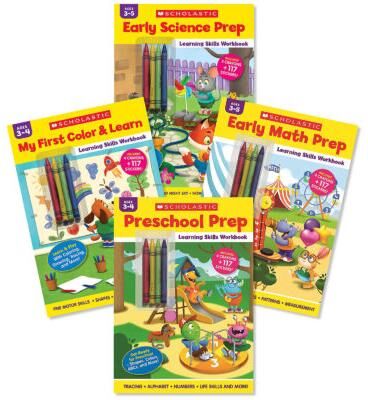
Learning Skills Workbook Ages 3-5 Value PackSupport your child's preschool readiness with these fun workbooks. Each workbook comes with four crayons and stickers.This set includes:Early Math Prep Learning Skills WorkbookEarly Science Prep: Learning Skills WorkbookMy First Color & Learn:...34,99 $*Shipping: 0,00 $Secure redirect to the provider
-
Inspire Picks Interactive Giraffe Suction Cup Toy Multifunctional Sensory Learning And Motor Skills Development Toy multi FuntionalEncourage handson learning and playful discovery with this interactive giraffe toy designed for growing minds. Featuring a strong suction cup base, it easily attaches to smooth surfaces for stable, engaging play at home or on the go. Made from safe,...34,93 $*Shipping: 0,00 $Secure redirect to the provider
-
Can you get a job without education or go directly into training with skills or knowledge?
Yes, it is possible to get a job without formal education by directly entering the workforce with skills or knowledge gained through training, work experience, or self-study. Many industries value practical skills and experience over formal education, especially in fields like technology, trades, and creative arts. However, having a formal education can still be beneficial for career advancement and certain professions that require specific qualifications. Ultimately, the path to employment can vary depending on the industry and individual circumstances. **
-
Should the subject of everyday life skills be introduced in German schools?
Yes, the subject of everyday life skills should be introduced in German schools. Teaching students practical skills such as budgeting, cooking, time management, and basic first aid can better prepare them for independent living and contribute to their overall well-being. These skills are essential for navigating everyday life and can help students become more self-sufficient and responsible adults. Introducing this subject in schools can also help address the gap in practical knowledge that many young people face when they enter the workforce or higher education. **
-
What are the rhetorical differences between private and professional everyday life?
In private everyday life, individuals often communicate in a more informal and personal manner, using colloquial language and expressions. Rhetorical strategies in private life may focus on building rapport, expressing emotions, and connecting on a personal level. In professional everyday life, communication tends to be more formal and structured, with a focus on clarity, professionalism, and achieving specific goals. Rhetorical strategies in professional settings often involve presenting information logically, persuasively, and with a clear purpose. Overall, the differences in rhetorical strategies between private and professional everyday life reflect the distinct social contexts and communication norms of each setting. **
-
Do professional experiences make people more cautious in their everyday life?
Professional experiences can make people more cautious in their everyday life, as they often involve dealing with high-stakes situations and making important decisions. These experiences can teach individuals the importance of being thorough, thoughtful, and deliberate in their actions, which can translate into a more cautious approach in their personal lives. Additionally, professionals may have a heightened awareness of potential risks and consequences, leading them to be more cautious in their everyday decision-making. However, this is not always the case, as some individuals may become more confident and risk-taking in their personal lives as a result of their professional experiences. **
* All prices are inclusive of VAT and, if applicable, plus shipping costs. The offer information is based on the details provided by the respective shop and is updated through automated processes. Real-time updates do not occur, so deviations can occur in individual cases. ** Note: Parts of this content were created by AI.