Buy corporate-learning.eu ?
We are moving the project
corporate-learning.eu .
Are you interested in purchasing the domain
corporate-learning.eu ?
domain@kv-gmbh.de · 0541-91531010
Buy corporate-learning.eu ?
Are halogens reducing agents?
No, halogens are not reducing agents. In chemical reactions, reducing agents are substances that donate electrons to other reactants, causing them to be reduced. Halogens, on the other hand, are highly electronegative elements that tend to gain electrons rather than lose them, making them more likely to act as oxidizing agents. **
Are all halogens toxic?
Yes, all halogens are toxic to some extent. Halogens such as fluorine, chlorine, bromine, and iodine can be harmful if ingested, inhaled, or absorbed through the skin in large amounts. They can cause irritation, burns, and even more serious health effects depending on the level of exposure. It is important to handle halogens with caution and follow proper safety protocols when working with them. **


Similar search terms for Halogens
Top-Angebote
Products related to Halogens:
-
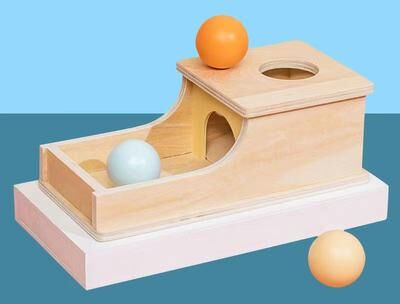
Tiny Tots Teens Trends Drawer Game Early Education Montessori Wooden Pitch Ball Box Preschool Learning Training Toy Drawer Game Early Education Montessori Wooden Pitch Ball Box Preschool Learning Training ToyThis Montessori Wooden Pitch Ball Box Drawer Game is a thoughtfully designed earlyeducation toy that transforms playtime into purposeful learning. Crafted for toddlers and preschoolers, it offers a handson, engaging way to support key developmental...39,97 $*Shipping: 0,00 $Secure redirect to the provider
-
Perfect Picks Market Geometric Building Blocks Set For Kids Early Education Intelligence Development Toy Geometric Building Blocks Set For Kids Early Education Intelligence Development ToyUnlock your child's potential with this early education equipment designed to stimulate creativity and intelligence! This geometric set is the perfect building block toy for boys, helping to develop problemsolving skills while having fun. The...35,97 $*Shipping: 0,00 $Secure redirect to the provider
-
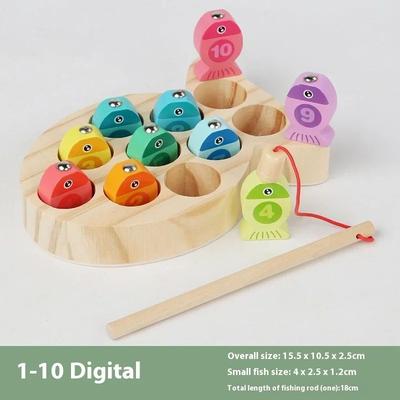
Inspire Select Wooden Montessori Fishing Toy Set Kids Number & Alphabet Learning Game For Early Education Training numbersMake learning fun and interactive with a playful educational experience. This Montessori fishing toy helps children develop essential skills while enjoying handson play. Designed for toddlers and young kids, this wooden learning toy combines...64,96 $*Shipping: 0,00 $Secure redirect to the provider
-
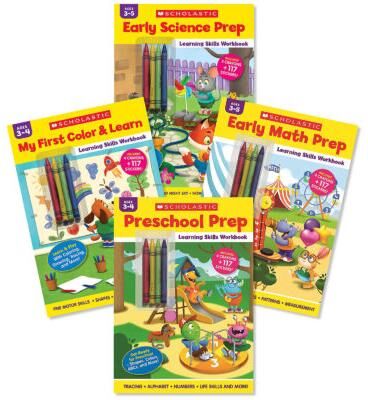
Learning Skills Workbook Ages 3-5 Value PackSupport your child's preschool readiness with these fun workbooks. Each workbook comes with four crayons and stickers.This set includes:Early Math Prep Learning Skills WorkbookEarly Science Prep: Learning Skills WorkbookMy First Color & Learn:...34,99 $*Shipping: 0,00 $Secure redirect to the provider

-
Why are halogens so reactive?
Halogens are so reactive because they have seven electrons in their outermost energy level, making them only one electron short of achieving a stable octet configuration. This makes them highly reactive as they tend to gain an electron to achieve a stable electron configuration. Halogens readily react with other elements to gain that missing electron, forming stable compounds. This reactivity is what makes halogens useful in a variety of chemical reactions and applications. **
-
Which halogens are found in algae?
Halogens found in algae include chlorine, bromine, and iodine. These halogens play important roles in the metabolism and growth of algae. Chlorine is involved in photosynthesis, bromine is essential for the production of certain compounds, and iodine is important for the regulation of growth and development in algae. **
-
Which halogens are present in algae?
Algae can contain various halogens, including chlorine, bromine, and iodine. These halogens are essential for the growth and development of algae, as they are involved in various physiological processes such as osmoregulation, antioxidant defense, and the production of bioactive compounds. Additionally, the presence of halogens in algae can also have ecological implications, as they can influence the interactions between algae and other organisms in their environment. **
-
What does the term halogens mean?
The term halogens refers to a group of chemical elements that belong to Group 17 of the periodic table. These elements include fluorine, chlorine, bromine, iodine, and astatine. Halogens are highly reactive nonmetals that have seven electrons in their outermost energy level, making them likely to form compounds by gaining one electron to achieve a full outer shell. They are known for their distinctive color, odor, and ability to react with metals to form salts. **


What is the room temperature of halogens?
The room temperature of halogens varies depending on the specific element. For example, fluorine is a gas at room temperature, chlorine is a gas, bromine is a liquid, and iodine is a solid. Overall, halogens tend to have low melting and boiling points compared to other elements, which is why they are typically found in gas or liquid form at room temperature. **
What is the boiling point of the halogens?
The boiling points of the halogens increase as you move down the group in the periodic table. Fluorine, the lightest halogen, has a boiling point of -188.1°C, while chlorine has a boiling point of -34.04°C. Bromine, the third halogen, has a boiling point of 58.8°C, and iodine, the heaviest halogen, has a boiling point of 184.3°C. Astatine, the rarest halogen, has a boiling point of 337°C. **
Top-Angebote
Products related to Halogens:
-
Learning Resources All About Me Family Counters Set of 72 - 72 Colorful Counters for Early Math Skills and Social Skills DevelopmentIntroducing the Learning Resources All About Me Family Counters Set of 72, a fun and educational tool designed to spark imagination and creativity in young learners. This vibrant set features a delightful array of family members, including parents, grandparents, and children, ideal for counting, sorting, and imaginative play. The set includes 72 colorful counters that are perfectly sized for little hands, making learning engaging and fun. The counters promote early math skills by encouraging counting, patterning, and sorting through playful activities. They also help develop social skills by fostering conversations about family dynamics and relationships. The All About Me Family Counters are suitable for a variety of settings, including home play, classroom activities, and birthday gifts. They are a great addition to any toy collection.18,19 £*Shipping: 3,95 £Secure redirect to the provider
-
Inspire Picks Interactive Giraffe Suction Cup Toy Multifunctional Sensory Learning And Motor Skills Development Toy whistleEncourage handson learning and playful discovery with this interactive giraffe toy designed for growing minds. Featuring a strong suction cup base, it easily attaches to smooth surfaces for stable, engaging play at home or on the go. Made from safe,...34,93 $*Shipping: 0,00 $Secure redirect to the provider
-
Tiny Tots Teens Trends Drawer Game Early Education Montessori Wooden Pitch Ball Box Preschool Learning Training Toy Drawer Game Early Education Montessori Wooden Pitch Ball Box Preschool Learning Training ToyThis Montessori Wooden Pitch Ball Box Drawer Game is a thoughtfully designed earlyeducation toy that transforms playtime into purposeful learning. Crafted for toddlers and preschoolers, it offers a handson, engaging way to support key developmental...39,97 $*Shipping: 0,00 $Secure redirect to the provider
-
Perfect Picks Market Geometric Building Blocks Set For Kids Early Education Intelligence Development Toy Geometric Building Blocks Set For Kids Early Education Intelligence Development ToyUnlock your child's potential with this early education equipment designed to stimulate creativity and intelligence! This geometric set is the perfect building block toy for boys, helping to develop problemsolving skills while having fun. The...35,97 $*Shipping: 0,00 $Secure redirect to the provider
-
Are halogens reducing agents?
No, halogens are not reducing agents. In chemical reactions, reducing agents are substances that donate electrons to other reactants, causing them to be reduced. Halogens, on the other hand, are highly electronegative elements that tend to gain electrons rather than lose them, making them more likely to act as oxidizing agents. **
-
Are all halogens toxic?
Yes, all halogens are toxic to some extent. Halogens such as fluorine, chlorine, bromine, and iodine can be harmful if ingested, inhaled, or absorbed through the skin in large amounts. They can cause irritation, burns, and even more serious health effects depending on the level of exposure. It is important to handle halogens with caution and follow proper safety protocols when working with them. **
-
Why are halogens so reactive?
Halogens are so reactive because they have seven electrons in their outermost energy level, making them only one electron short of achieving a stable octet configuration. This makes them highly reactive as they tend to gain an electron to achieve a stable electron configuration. Halogens readily react with other elements to gain that missing electron, forming stable compounds. This reactivity is what makes halogens useful in a variety of chemical reactions and applications. **
-
Which halogens are found in algae?
Halogens found in algae include chlorine, bromine, and iodine. These halogens play important roles in the metabolism and growth of algae. Chlorine is involved in photosynthesis, bromine is essential for the production of certain compounds, and iodine is important for the regulation of growth and development in algae. **
Similar search terms for Halogens
-
Inspire Select Wooden Montessori Fishing Toy Set Kids Number & Alphabet Learning Game For Early Education Training numbersMake learning fun and interactive with a playful educational experience. This Montessori fishing toy helps children develop essential skills while enjoying handson play. Designed for toddlers and young kids, this wooden learning toy combines...64,96 $*Shipping: 0,00 $Secure redirect to the provider
-
Learning Skills Workbook Ages 3-5 Value PackSupport your child's preschool readiness with these fun workbooks. Each workbook comes with four crayons and stickers.This set includes:Early Math Prep Learning Skills WorkbookEarly Science Prep: Learning Skills WorkbookMy First Color & Learn:...34,99 $*Shipping: 0,00 $Secure redirect to the provider
-
Playful Picks Montessori Hedgehog Color Sorting Educational Toddler Toy For Fine Motor Skills Development Montessori Hedgehog Color Sorting Educational Toddler Toy For Fine Motor Skills DevelopmentTurn early learning into a joyful daily adventure with a toy designed to spark curiosity and growth. The Montessori hedgehog toy is thoughtfully created for toddlers aged 13, helping them explore colors, counting, and coordination through handson...24,97 $*Shipping: 0,00 $Secure redirect to the provider
-
Inspire Picks Interactive Giraffe Suction Cup Toy Multifunctional Sensory Learning And Motor Skills Development Toy multi FuntionalEncourage handson learning and playful discovery with this interactive giraffe toy designed for growing minds. Featuring a strong suction cup base, it easily attaches to smooth surfaces for stable, engaging play at home or on the go. Made from safe,...34,93 $*Shipping: 0,00 $Secure redirect to the provider
-
Which halogens are present in algae?
Algae can contain various halogens, including chlorine, bromine, and iodine. These halogens are essential for the growth and development of algae, as they are involved in various physiological processes such as osmoregulation, antioxidant defense, and the production of bioactive compounds. Additionally, the presence of halogens in algae can also have ecological implications, as they can influence the interactions between algae and other organisms in their environment. **
-
What does the term halogens mean?
The term halogens refers to a group of chemical elements that belong to Group 17 of the periodic table. These elements include fluorine, chlorine, bromine, iodine, and astatine. Halogens are highly reactive nonmetals that have seven electrons in their outermost energy level, making them likely to form compounds by gaining one electron to achieve a full outer shell. They are known for their distinctive color, odor, and ability to react with metals to form salts. **
-
What is the room temperature of halogens?
The room temperature of halogens varies depending on the specific element. For example, fluorine is a gas at room temperature, chlorine is a gas, bromine is a liquid, and iodine is a solid. Overall, halogens tend to have low melting and boiling points compared to other elements, which is why they are typically found in gas or liquid form at room temperature. **
-
What is the boiling point of the halogens?
The boiling points of the halogens increase as you move down the group in the periodic table. Fluorine, the lightest halogen, has a boiling point of -188.1°C, while chlorine has a boiling point of -34.04°C. Bromine, the third halogen, has a boiling point of 58.8°C, and iodine, the heaviest halogen, has a boiling point of 184.3°C. Astatine, the rarest halogen, has a boiling point of 337°C. **
* All prices are inclusive of VAT and, if applicable, plus shipping costs. The offer information is based on the details provided by the respective shop and is updated through automated processes. Real-time updates do not occur, so deviations can occur in individual cases. ** Note: Parts of this content were created by AI.